A TRUE NOTHING IS WAY MORE POWERFUL THAN A FALSE SOMETHING
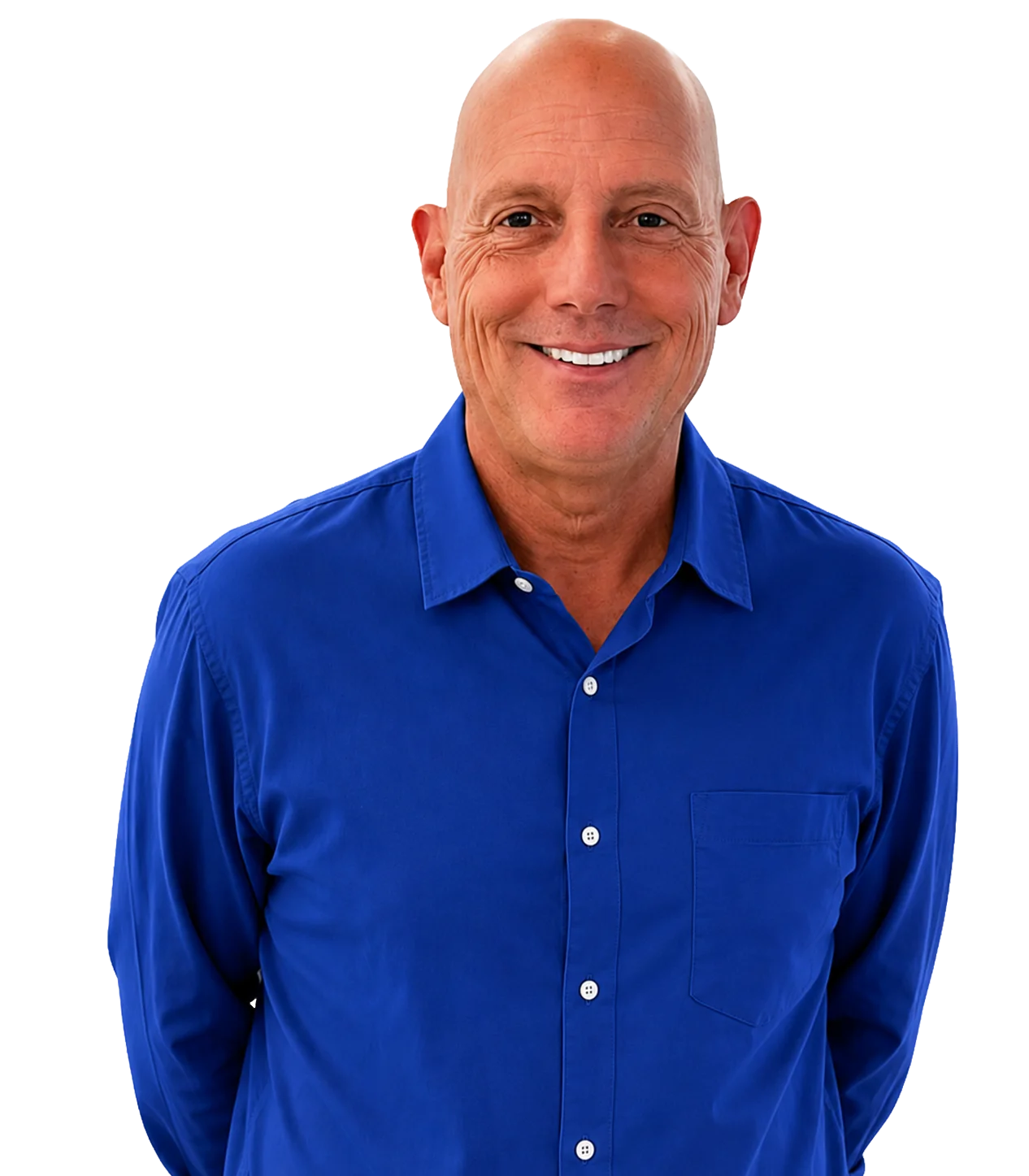
Robert Colt
I’ve spent most of my life acting, and most of my life watching actors. But for more than twenty years, through the workshops and work I’ve shared with my wife, Michelle, I’ve also had the privilege of working with creative, gifted people from all walks of life, helping them see what gets in their way, and discover what becomes possible when they stop getting in their own way.
That work profoundly shaped me. It taught me to look beneath performance, beneath technique, beneath the personality someone has constructed to navigate the world, to see what’s already there. And it taught me something else: sometimes the most powerful thing you can do is nothing. Not passive nothing, not giving up, but the kind of nothing that comes from not interfering with what is already happening.
What Remains
My understanding has been deeply influenced by years of Eastern exploration: years of meditating, of exploring Zen and Taoism, Advaita Vedanta and Kashmir Shaivism, neuroscience and quantum physics. Not in a clinical way, but in a deeply experiential one. Over time I’ve let all of that go. Or, better said, all of that has let go of me. What has remained is Isness.
Isness is not a spiritual practice, not mysticism, not magic, and certainly not another thing for an actor to believe in or achieve. It’s as ordinary as it is extraordinary. It’s laughter, tears, rage, desire, silence, a sudden impulse, a beautiful sunset. It’s what’s already happening before we turn it into an idea.
You can’t reach Isness; Isness reaches you, because it’s already here. It’s always here. Great actors, unknowingly, live from it. They don’t have to know what it is, name it, or seek it. They simply get out of the way enough for what is already here to do them.
That’s what I bring into my classes. Not spirituality, not mysticism, not magic. Just the very ordinary and extraordinary experience of being alive. And when that happens, the results are stunning.
What I See
I’ve always had an eye for actors, not just for talent, but for what’s underneath the talent, for the thing that is trying to come through. For the beauty, vulnerability, instinct, intelligence, danger, humor, sexuality, power, awkwardness, and humanity, whatever is uniquely yours, that can get buried beneath everything you’ve learned to do. Sometimes the most important thing I can do is see something in an actor that they haven’t yet been able to see in themselves, and then help them get out of the way of it.
As Rivers Cassedy once said about my work:
“The other day I heard the Michelangelo quote, ‘I saw the angel in the marble and carved until I set him free.’ It reminded me of what you do in class, Rob, in seeing our talent, our beauty, our vulnerability, and carving off anything that’s in our way…”
Rivers Cassedy
That means more to me than almost any description of what I do. Because I don’t want to put something into you. I want to discover what’s already there.
The Animal
Many good actors work from their neurosis. I guide actors toward something deeper: their animal. It’s the part of you that doesn’t need to know, doesn’t need to perform, doesn’t need to get it right. It responds. It feels. It wants. It moves. It is already alive. That’s where true greatness lives.
I’m Not Here to Make You Into an Actor
You already are one. I’m not interested in giving you another formula, another way to produce emotion, another set of instructions for how to listen, respond, be present, or find the truth. There is already enough of that. I’m interested in what happens when you don’t need any of it, when you can stop trying to get it right. Don’t get it right; get it real.
That means being willing to risk not knowing, to let your first impulse live, to allow the circumstances to affect you rather than trying to manufacture an effect, and to become available to something you couldn’t have planned.
The Art of Not Acting
I didn’t set out to create a method. I discovered something through acting, teaching, watching, questioning, and paying very close attention, and I kept following it. The name came later: the Art of Not Acting. Because sometimes the actor isn’t the source of the performance. The actor is the instrument, and if you’re lucky, great acting plays through you. That’s what I’m interested in.
I Don’t Know
I don’t teach my actors to know what is going to happen. I teach them to be willing to discover what happens. There’s a profound difference. You start with “I don’t know,” you explore with “I don’t know,” and you’re taken on a journey of “I don’t know.” Along the way, you are played by the circumstances you find yourself in, and sometimes something happens that is more alive than anything you could have planned. A true nothing is far more powerful than a false something, something I’ve learned from watching great actors, and from acting myself.
What I Ask of an Actor
Courage. Curiosity. A willingness to be surprised, to fail, to not know, to be fully alive. This work isn’t for everyone. In fact, chances are it isn’t for you. Rare is the bird that wants to fly without the safety of a cage to return to. But if you’re that actor, the one who knows there’s something more, who is tired of performing at performing, who wants to discover what happens when you truly get out of the way, that’s the actor I want to work with. That’s the actor I’m dedicated to.
Why I Do This
Because I believe acting can be one of the most extraordinary things a human being can do. You get to inhabit another life, another set of circumstances, another human being, and somehow, through all of that, you get to become more completely yourself. Not by trying to become yourself, not by trying to be in the moment or in the now, but by getting out of the way of what is already here.
That’s the gift I see in acting, and the gift I want to give my actors. I don’t teach you how to reach Isness; I help you see what’s already doing you. And that’s why I call it the Art of Not Acting.